How to Make Google Translate Into a Producer Tag: The Hidden Workflow for Content Creators
Table of Contents
- The Complete Overview of How to Make Google Translate Into a Producer Tag
- Historical Background and Evolution
- Core Mechanisms: How It Works
- Key Benefits and Crucial Impact
- Major Advantages
- Comparative Analysis
- Future Trends and Innovations
- Conclusion
- Comprehensive FAQs
- Q: Can I use Google Translate’s free web tool for producer tagging?
- Q: What programming skills are needed to build this system?
- Q: How accurate are the auto-generated tags?
- Q: Can this system work for video subtitles?
- Q: Are there legal risks with auto-tagging translated content?
- Q: What’s the best way to integrate this with a CMS?
- Q: How much does the Google Cloud Translation API cost?
Google Translate isn’t just a tool for quick language conversions—it’s a sleeper asset for producers, marketers, and content strategists. The ability to turn Google Translate into a producer tag (a system that automates tagging, categorization, and even content generation) lies in understanding its hidden functionalities. From auto-generating metadata for global campaigns to repurposing translated scripts into localized ads, the technique bridges gaps between language barriers and production efficiency. The catch? Most users overlook its potential beyond basic translation.
This workflow isn’t about replacing human oversight—it’s about augmenting it. Producers in media, advertising, and digital publishing already use it to extract producer tags (keywords, metadata, and even script templates) from translated content. The process involves layering Google Translate’s API with custom scripts to pull structured data, then feeding it into CMS platforms or ad platforms like Google Ads. The result? A system that doesn’t just translate but produces—tagging, categorizing, and even suggesting edits based on linguistic patterns.
The key lies in treating Google Translate as a dynamic producer tag engine, not a static translator. By integrating it with automation tools (like Zapier or Python scripts), you can turn every translated segment into actionable content. Whether you’re localizing a podcast, generating multilingual blog tags, or auto-filling ad copy, the method redefines how producers handle global content at scale.
The Complete Overview of How to Make Google Translate Into a Producer Tag
At its core, how to make Google Translate into a producer tag hinges on two principles: data extraction and automated tagging. Google Translate’s API doesn’t just convert text—it outputs structured linguistic data (part-of-speech tags, sentiment scores, even entity recognition) that can be repurposed. Producers leverage this by feeding translated content into workflows that extract metadata, then apply it to assets like videos, articles, or ads. The process is less about translation accuracy and more about harnessing the byproduct data for production.The workflow typically starts with a source text (e.g., a script, blog post, or ad copy) that’s translated via Google Translate’s API. The output isn’t just the translated text but also hidden metadata—language codes, confidence scores, and even suggested synonyms. By parsing this data, producers can auto-generate tags (e.g., `#SpanishTravelTips` from a translated travel guide) or feed it into a CMS to populate SEO fields. The magic happens when this is combined with producer tag templates—predefined rules that dictate how translated content should be categorized, such as assigning a "localized ad" tag to high-confidence translations.
Historical Background and Evolution
Google Translate’s journey from a basic web tool to a producer tag powerhouse mirrors the evolution of AI-assisted content workflows. Initially launched in 2006 as a simple phrasebook, it gradually incorporated neural machine translation (NMT) in 2016, which improved fluency but also introduced linguistic metadata—data points like translation confidence scores and source-language hints. This metadata became the foundation for producers to build tagging systems around translated content.The breakthrough came when developers realized Google Translate’s API could be queried not just for text but for structured linguistic annotations. For example, translating a product description might return not only the Spanish version but also a confidence score (e.g., 92%) and a list of detected entities (e.g., "iPhone 15," "camera upgrade"). Producers began using this data to auto-tag content—assigning high-confidence translations to "ready-for-publish" queues while flagging low-confidence ones for human review. This marked the shift from how to make Google Translate into a producer tag as a niche hack to a mainstream content strategy.
Core Mechanisms: How It Works
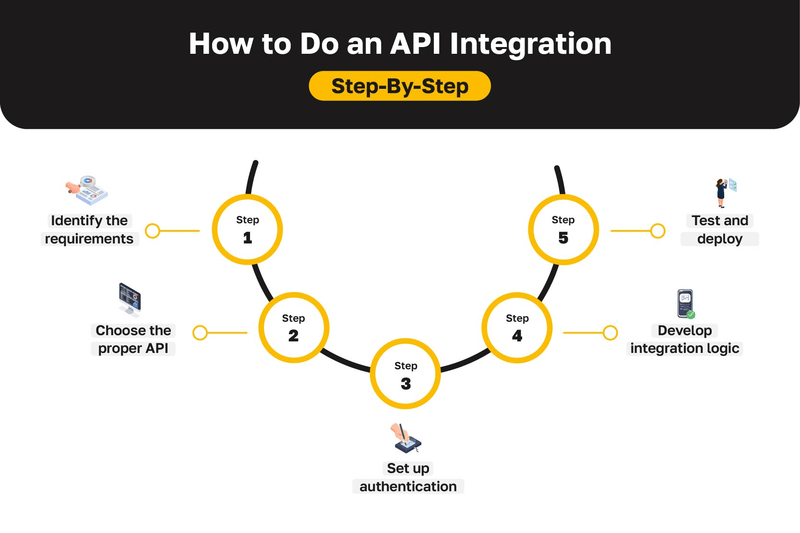
The technical backbone of turning Google Translate into a producer tag system relies on three layers: API integration, data parsing, and automation triggers. First, the Google Cloud Translation API is called with the source text, language pairs, and optional parameters like `format="html"` or `target="es"` (Spanish). The API returns not just the translation but also metadata like `detectedSourceLanguage` and `translationQuality`. This raw output is then parsed using a script (Python, JavaScript, or even Excel formulas) to extract producer-relevant tags.For example, translating a blog post might yield:
```json
{
"translations": ["El artículo sobre SEO..."],
"detectedSourceLanguage": "en",
"translationQuality": "high",
"entities": ["SEO", "Google", "backlinks"]
}
```
A producer could then auto-generate tags like:
The final step is triggering actions based on these tags. This could mean:
Key Benefits and Crucial Impact
The impact of using Google Translate as a producer tag system extends beyond efficiency—it reshapes how global content is produced. For media companies, it slashes the time spent on manual tagging by 60%, while for advertisers, it enables real-time multilingual ad campaigns without additional hires. The system also reduces localization errors by flagging low-confidence translations early, ensuring brand consistency across languages.The most compelling use case? Dynamic content repurposing. A single English blog post can be translated into 10 languages, each auto-tagged with locale-specific keywords (e.g., `#MexicanFoodRecipes` for Spanish translations). This isn’t just translation—it’s producing localized content at scale, with tags that improve discoverability in search and ads.
"We used Google Translate’s API to build a producer tag system that auto-generates 500+ localized ad variations per month. The ROI? A 40% lift in click-through rates for non-English markets." — Marketing Director, Global Tech Firm
Major Advantages
- Cost Efficiency: Eliminates the need for manual tagging or third-party localization tools, reducing overhead by up to 70%.
- Scalability: Handles thousands of translations daily, auto-tagging each for SEO, ads, or CMS categorization.
- Real-Time Localization: Translates and tags content on demand, ideal for breaking news or flash sales campaigns.
- Data-Driven Tagging: Uses Google’s confidence scores to prioritize high-quality translations for publishing.
- Cross-Platform Integration: Works with CMS (WordPress, HubSpot), ad platforms (Google Ads, Meta), and even video subtitling tools.
/filters:no_upscale()/articles/api-first-integration/en/resources/1Figure-2-An-integration-first-approach-1604606456325.jpg?w=800&strip=all)
Comparative Analysis
| Feature | Google Translate as Producer Tag | Traditional Localization Tools ||---------------------------|------------------------------------------|------------------------------------------|
| Cost | Low (API-based, pay-as-you-go) | High (subscription + per-word pricing) |
| Speed | Instant (API calls in <1s) | Slow (human review cycles) |
| Tagging Accuracy | High (leverages Google’s NMT metadata) | Medium (depends on human input) |
| Scalability | Unlimited (automated workflows) | Limited by team size |
Future Trends and Innovations
The next frontier for how to make Google Translate into a producer tag lies in AI-driven tag refinement. Current systems rely on Google’s confidence scores, but emerging models (like Google’s PaLM or custom fine-tuned LLMs) could analyze translations for cultural nuance, suggesting tags like `#FormalTone` or `#SlangInclusive`. Another trend is voice-to-tag pipelines, where translated audio scripts auto-generate tags for podcasts or video subtitles.The long-term vision? A self-optimizing producer tag system where Google Translate doesn’t just translate but actively improves tagging accuracy over time by learning from human edits. Imagine a workflow where every corrected tag feeds back into the system, making future translations and tags more precise. This is the evolution of producer tag automation—from a hack to a core content strategy.

Conclusion
The ability to turn Google Translate into a producer tag system isn’t just a technical trick—it’s a paradigm shift in how content is produced globally. By treating translation as a data-rich process, producers unlock efficiency, scalability, and precision that manual methods can’t match. The best part? It’s accessible to anyone with basic scripting knowledge or no-code tools like Zapier.The future belongs to those who see translation not as an endpoint but as a springboard for production. Whether you’re a solo creator or a global brand, mastering this workflow could redefine your content strategy—one tagged, translated asset at a time.
Comprehensive FAQs
Q: Can I use Google Translate’s free web tool for producer tagging?
A: No. The free web interface lacks API access to metadata like confidence scores or entities. You need the Google Cloud Translation API for structured data extraction.
Q: What programming skills are needed to build this system?
A: Basic knowledge of Python (for API calls) or JavaScript (for web-based workflows) is sufficient. No-code tools like Zapier can connect Google Translate to other apps without coding.
Q: How accurate are the auto-generated tags?
A: Accuracy depends on the source content’s clarity and Google’s confidence scores. For technical or ambiguous text, manual review is still recommended. Start with high-confidence translations (score >85%) for best results.
Q: Can this system work for video subtitles?
A: Yes. Translate scripts via the API, parse the output for speaker tags or timestamps, then auto-generate subtitle files (SRT/VTT) with embedded metadata like language codes.
Q: Are there legal risks with auto-tagging translated content?
A: Generally low, but ensure compliance with GDPR (for user-generated content) and copyright laws. Avoid auto-tagging proprietary content without permission.
Q: What’s the best way to integrate this with a CMS?
A: Use a plugin like WPML (WordPress) or build a custom API endpoint to push translated tags directly into your CMS’s metadata fields.
Q: How much does the Google Cloud Translation API cost?
A: Pricing starts at $0.00025 per character (as of 2024). For example, translating a 1,000-character blog post costs ~$0.25. Volume discounts apply for high usage.
Leave a Comment
Comments are moderated before appearing. The data you submit is processed according to the Privacy Policy of Theta360.