The Smart Way to Save Amazon Orders Forever (How to Archive an Amazon Order)
Table of Contents
- The Complete Overview of How to Archive an Amazon Order
- Historical Background and Evolution
- Core Mechanisms: How It Works
- Key Benefits and Crucial Impact
- Major Advantages
- Comparative Analysis
- Future Trends and Innovations
- Conclusion
- Comprehensive FAQs
- Q: Can I download all my Amazon orders at once?
- Q: Are screenshots of Amazon orders legally valid?
- Q: Will Amazon delete my order history if I close my account?
- Q: Do third-party Amazon archiving tools violate Amazon’s Terms of Service?
- Q: How often should I update my Amazon order archive?
- Q: Can I archive Amazon orders from a mobile device?
- Q: What’s the best way to store archived Amazon orders long-term?
- Q: How do I archive Amazon orders for a business or resale inventory?
- Q: What if Amazon changes its order history page layout?
- Q: Are there free tools to archive Amazon orders?
Amazon’s order history is a digital ledger of purchases, returns, and warranties—yet it vanishes when accounts close or policies change. Without a backup, years of transaction records could disappear in seconds. The problem isn’t just nostalgia; it’s practical. Tax deductions, warranty claims, and resale proofs all hinge on verifiable order details. Yet Amazon offers no native "archive" button. The solution lies in a mix of manual workarounds, third-party tools, and legal safeguards—each with trade-offs in convenience, security, and completeness.
Most users stumble upon the issue when they need proof of a purchase months later. A quick search for "how to archive an Amazon order" reveals fragmented advice: "Take screenshots!" (flawed), "Download your order history!" (temporary), or "Use a PDF printer!" (incomplete). The reality is more nuanced. Amazon’s Terms of Service prohibit bulk scraping, and its "Order History" page refreshes unpredictably. What works today may fail tomorrow. The challenge isn’t just how to preserve orders—it’s how to do it reliably, without violating policies or leaving gaps.
The stakes are higher than many realize. In 2022, Amazon deleted millions of old orders during a system update, leaving customers with no recourse. Even if you print receipts, Amazon’s dynamic pricing and item descriptions often change post-purchase, making static copies misleading. The fix requires a layered approach: immediate backups for urgent needs, automated systems for long-term storage, and legal precautions for high-value items. This guide cuts through the noise to outline every viable method—ranked by effectiveness—and the hidden risks you might overlook.
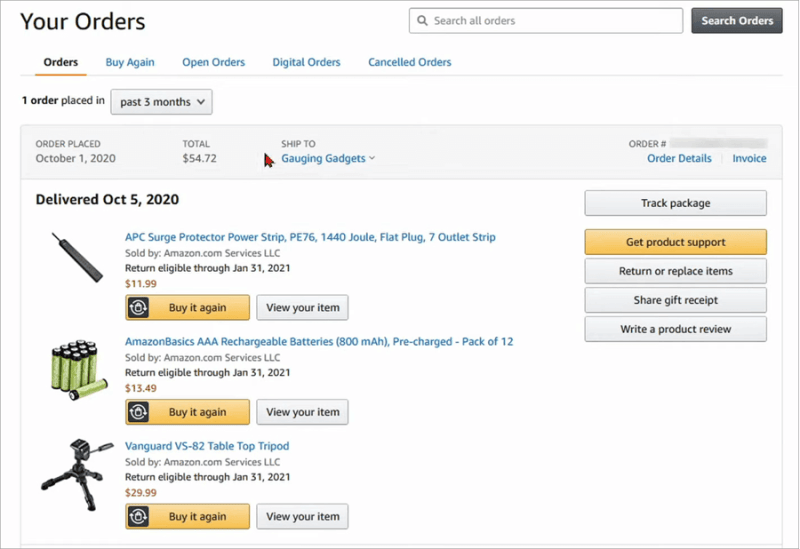
The Complete Overview of How to Archive an Amazon Order
Amazon’s order history isn’t designed to be archived. The platform treats it as a transactional tool, not a permanent record. When you request a "purchase history" download, you’re given a CSV or PDF—but these files are static snapshots tied to your account. Delete the account, and the file becomes useless. Worse, Amazon’s "Order History" page only shows the last 12 months of orders by default, with older purchases buried in pagination that resets after inactivity. The absence of a true archive function forces users to improvise, often with tools that weren’t built for this purpose.The core issue is Amazon’s shifting infrastructure. What worked in 2020—like scraping order pages—may now trigger CAPTCHAs or IP bans. Amazon’s anti-bot measures make automated archiving difficult without third-party software, which introduces new risks (e.g., data leaks, compatibility issues). Yet the need persists. Whether you’re a small business tracking inventory, a collector preserving receipts for resale, or an individual safeguarding warranty proofs, the methods below address the gap. No single solution is perfect, but combining them minimizes risk.
Historical Background and Evolution
The concept of archiving digital orders predates Amazon’s dominance, emerging in the early 2000s as e-commerce grew. Early adopters relied on manual methods: printing receipts, saving emails, or writing down order numbers. These approaches were labor-intensive and error-prone, but they worked in a pre-cloud era where data loss was rare. Amazon’s rise changed everything. By 2010, the company’s order volume made manual archiving impractical, and users began seeking digital alternatives. Tools like browser extensions (e.g., "Amazon Order History Downloader") appeared, but they were often short-lived due to Amazon’s evolving anti-scraping measures.The turning point came in 2015, when Amazon introduced its "Order History" download feature—a CSV export of recent purchases. This was a step forward, but it was still limited. Users quickly realized the file lacked critical details like shipping carrier tracking numbers, item images, or seller notes. Worse, the export could only be triggered manually, and Amazon reserved the right to modify or delete historical data. In 2018, the company rolled out "Amazon Shopping App" for mobile, which included a "Your Orders" tab—but this too was volatile, with orders disappearing after 90 days unless actively managed. Today, the lack of a native archive remains Amazon’s biggest oversight, pushing users toward third-party solutions with varying reliability.
Core Mechanisms: How It Works
At its core, archiving an Amazon order involves capturing three types of data: transactional (order number, date, price), logistical (shipping details, tracking), and descriptive (item images, seller ratings). Amazon’s native tools only cover the first two partially. For example, the CSV export includes order numbers and dates but omits images and reviews. To fill gaps, users must combine multiple methods:1. Screenshots: Captures visuals (item images, reviews) but fails for bulk orders.
2. Email Forwarding: Amazon sends order confirmations, but these lack long-term structure.
3. Third-Party APIs: Tools like Keepa or CamelCamelCamel scrape historical price data but miss custom notes.
4. Manual Database Entry: The most thorough but time-consuming method.
The mechanics of each method vary. Screenshots require manual effort and risk missing details if the page layout changes. Email forwarding is semi-automated but relies on Amazon’s email delivery consistency. APIs are powerful but often require coding knowledge to integrate. Manual entry is foolproof but impractical for large volumes. The key is selecting methods based on your needs—speed vs. completeness—and accepting trade-offs.
Key Benefits and Crucial Impact
Archiving Amazon orders isn’t just about nostalgia; it’s a risk mitigation strategy. Without backups, you’re vulnerable to account hacks, Amazon policy changes, or even legal disputes where proof of purchase is required. The impact extends beyond individuals. Small businesses using Amazon as a supplier face inventory audits that demand verifiable records. Collectors risk losing provenance for high-value items. Even casual shoppers may need receipts for warranty claims or tax deductions. The absence of a native archive forces users to build their own systems—a task that grows more critical as Amazon’s data policies evolve.The psychological benefit is often overlooked. Knowing you have a complete record reduces stress during returns, refunds, or disputes. It’s a form of digital insurance. Yet the process itself can be frustrating. Amazon’s lack of transparency around data retention—combined with its frequent interface updates—makes archiving feel like solving a moving target. The payoff, however, is clear: control over your purchase history, not Amazon’s servers.
"Amazon’s order history is like a digital photograph: it fades over time unless you actively preserve it. The difference between a lost receipt and a saved record isn’t luck—it’s preparation." — Tech Policy Analyst, 2023
Major Advantages
- Legal Protection: Archived orders serve as evidence in disputes (e.g., chargebacks, warranty claims). Courts often require original receipts, and digital copies can be legally binding if timestamped.
- Financial Tracking: Small businesses use archived orders to reconcile inventory, while individuals track spending patterns for budgeting or tax filings.
- Resale and Collecting: Proof of purchase is critical for selling collectibles or proving authenticity. Amazon’s native records often lack seller details or condition notes.
- Account Security: If your Amazon account is hacked or deleted, archived orders provide a fallback. Stored locally or in encrypted cloud backups, they’re inaccessible to unauthorized parties.
- Future-Proofing: Amazon’s data retention policies may change. Archiving ensures you’re not at the mercy of corporate decisions (e.g., order history deletions).

Comparative Analysis
Not all archiving methods are equal. Below is a side-by-side comparison of the most common approaches, ranked by effectiveness and ease of use.| Method | Pros and Cons |
|---|---|
| Manual Screenshots |
|
| CSV/PDF Export |
|
| Third-Party Tools (e.g., AHP, OrderMonitor) |
|
| Manual Database Entry (Excel/Google Sheets) |
|
Future Trends and Innovations
The gap in Amazon’s archiving capabilities may soon narrow. Blockchain-based receipts are emerging as a solution, with startups like OpenTimestamps offering cryptographic proof of purchase dates. While not yet mainstream, these methods could provide tamper-proof records. Another trend is AI-powered archiving tools that automatically extract and organize order data from emails or screenshots. However, adoption hinges on Amazon’s cooperation—or lack thereof. If the company introduces a native archive feature, third-party tools may decline, but users will still need backups due to Amazon’s history of data changes.Long-term, the shift toward decentralized storage (e.g., IPFS) could redefine how users archive orders. Instead of relying on Amazon’s servers, shoppers might store receipts in personal blockchain wallets or encrypted local databases. The challenge will be balancing convenience with security. For now, the most reliable approach remains a hybrid system: native exports for transactional data, manual methods for visuals, and third-party tools for automation—all backed up in multiple locations.

Conclusion
Archiving an Amazon order isn’t a one-time task; it’s an ongoing process. The lack of a native solution forces users to become their own archivists, but the effort is justified by the risks of losing critical records. The best systems combine automation (for efficiency) with manual checks (for completeness). Start with Amazon’s CSV exports as a baseline, then layer in screenshots for visuals and third-party tools for historical data. Store backups in at least two locations—one encrypted locally, another in a cloud service—to protect against account loss or data breaches.The key takeaway is control. Amazon’s order history is a corporate asset, not yours to keep. By archiving proactively, you reclaim ownership of your purchase records—ensuring they’re available when you need them, not when Amazon decides to delete them.
Comprehensive FAQs
Q: Can I download all my Amazon orders at once?
A: No, Amazon doesn’t offer a single "download all orders" button. You can export the last 12 months via the "Order History" page (CSV/PDF), but older orders require manual pagination or third-party tools. Some users combine multiple exports over time to build a full archive.
Q: Are screenshots of Amazon orders legally valid?
A: Yes, but with caveats. Screenshots are admissible in court if they’re timestamped and unaltered. For warranty claims, include the order number and Amazon’s customer service response in the screenshot. Printed or saved screenshots should be stored securely to prevent tampering accusations.
Q: Will Amazon delete my order history if I close my account?
A: Yes. Amazon retains order data only while your account is active. If you close the account, all order history—including exports—becomes inaccessible. Always archive before deactivating or risk permanent loss.
Q: Do third-party Amazon archiving tools violate Amazon’s Terms of Service?
A: Potentially. Amazon prohibits "scraping" or "interfering" with its services. Tools like AHP or OrderMonitor operate in a gray area. If you use them, assume Amazon could disable access. For high-risk scenarios (e.g., business use), consult a legal expert before relying on third-party archives.
Q: How often should I update my Amazon order archive?
A: Monthly is ideal for most users. Set a calendar reminder to:
1. Export the latest CSV from Amazon.
2. Take screenshots of new orders (if using manual methods).
3. Verify third-party tools (if applicable) for errors.
For businesses, automate updates weekly to sync with inventory systems.
Q: Can I archive Amazon orders from a mobile device?
A: Yes, but with limitations. The Amazon Shopping App allows screenshots of order pages, but the "Order History" download feature is desktop-only. Use a cloud service (e.g., Google Drive) to sync mobile screenshots to a central archive. For bulk orders, a desktop export is still the most reliable method.
Q: What’s the best way to store archived Amazon orders long-term?
A: Use a multi-layered approach:
1. Primary Backup: Encrypted local drive (e.g., external HDD) for immediate access.
2. Secondary Backup: Cloud storage (e.g., Dropbox, Google Drive) with versioning enabled.
3. Redundancy: Print physical copies of critical orders (e.g., high-value purchases) and store in a fireproof safe.
Avoid relying solely on Amazon or third-party tools, as both can fail.
Q: How do I archive Amazon orders for a business or resale inventory?
A: Businesses need a structured system:
1. Automate Exports: Use a script (e.g., Python + Selenium) to pull monthly CSV exports.
2. Database Integration: Import exports into a tool like QuickBooks or Excel with macros for tracking.
3. Visual Proof: Take screenshots of unique items (e.g., serial numbers, condition notes) and store in a labeled folder.
4. Legal Safeguards: For high-value items, consider notary-stamped receipts or blockchain timestamps.
Q: What if Amazon changes its order history page layout?
A: Layout changes are common, but workarounds exist:
Q: Are there free tools to archive Amazon orders?
A: Limited. Free options include:
Leave a Comment
Comments are moderated before appearing. The data you submit is processed according to the Privacy Policy of Theta360.